Lab Projects
Reliability and Validity of Radiographic Comparisons for Positive Identification
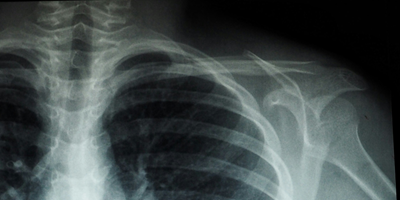
The FAB Lab (PI Byrnes) received a National Institute of Justice grant to investigate the reliability and validity of positive identifications generated from medical imaging, which includes a subaward with the Forensic Anthropology Center at Texas State (FACTS) (Co-PI Gocha). The award is over a two year period (2022-2023) and will fund multiple students within the UNLV FAB Lab and FACTS. The primary goals of this project are to 1) assess the validity of radiographic comparisons on anatomical locations typically found in antemortem radiographs (e.g., knee, shoulder); 2) assess the utility of quantifying positive identification based on anatomical locations typically found in antemortem radiographs; 3) develop standards and minimum number of concordant features for generating positive identification through anatomical areas typically found in antemortem records; and 4) assess the relationship between education and experience level in regards to reliability of making radiographic comparisons.
The Intersection of Public Health, Structural Violence, and Forensic Anthropology
This project is a compilation of multiple studies investigating the use of the Structural Vulnerability Profile (SVP) in forensic anthropology casework. Our studies focus on multiple demographics subject to structural vulnerability, including transgender and gender non-conforming people, the elderly, those with embodied stress and poor health, and racial groups subject to minoritization.
Paleopathology and Trauma Analyses from the Erie County Poorhouse Cemetery (1851-1913)
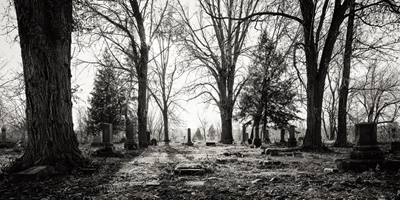
The Erie County Poorhouse (ECPH) cemetery was excavated in 2009 and again in 2012 at the University at Buffalo. The Buffalo Plains ECPH used the cemetery between the years 1851 and 1913, primarily for individuals who died at the institute and were not claimed by family/friends for burial elsewhere. Ongoing research from the archived skeletal analysis documentation includes projects with a focus on paleopathology and traumatic injuries. Students have used these data to present at the Paleopathology Association as well as the American Association of Biological Anthropologists annual conference.

Digitization of Historical Death Records from England
The purpose of this project is to digitize historical cause of death data contained with the Annual Reports of the Registrar-General of Births, Deaths, and Marriages in England published in the 19th century. The primary goal is to produce an open-access database containing these mortality data that will be available to scholars from a variety of disciplines, including history, bioarchaeology, and medicine.